From Waste to Wealth The Recycling Revolution in Green Bay's Plastic Industry
The Rise of Green Bay's Plastic Industry
Overview of Green Bay's Plastic Manufacturing Sector
Green Bay plastic companies drive a robust manufacturing sector that produces essential plastic goods for industries across the Midwest. Local facilities focus on efficient production lines that create containers, films, and components from raw polyethylene and other resins. Workers operate advanced extrusion and molding equipment to meet demand from food processors and distributors. The sector benefits from strategic location near shipping routes that connect to major markets. Green Bay plastic manufacturers invest in machinery upgrades that boost output while maintaining quality standards. This activity supports thousands of jobs and anchors the regional economy through steady contracts with national brands. Expansion continues as new entrants join established players to supply custom plastic products for agriculture and retail sectors.
Key Players: Major Green Bay Plastic Companies
Several prominent green bay plastic companies lead production with specialized capabilities in polyethylene film and rigid containers. These manufacturers maintain large plants that process tons of material daily and export finished goods nationwide. One firm specializes in high-density polyethylene for industrial packaging while another focuses on flexible films for consumer products. Green Bay plastics makers collaborate on supply chains that deliver consistent resin blends to meet client specifications. They employ local engineers to refine processes that reduce downtime and improve throughput. Partnerships with resin suppliers ensure reliable feedstock for ongoing operations. These companies also participate in trade shows to showcase innovations in green bay plastic products that appeal to sustainability-minded buyers.
The Economic Impact of Plastics in Green Bay
Plastics manufacturing generates substantial revenue for Green Bay through direct sales and ancillary services. Green Bay plastic companies contribute millions in wages that circulate through local businesses and housing markets. Tax receipts from these operations fund infrastructure improvements and public services. The industry attracts related suppliers of additives and equipment that further expand employment opportunities. Green Bay manufacturers report consistent growth tied to national demand for durable and lightweight plastic items. Economic multipliers extend to logistics firms that handle outbound shipments of finished products. This activity strengthens the tax base and supports community programs without relying on external subsidies.
Understanding Plastics and Recycling
Types of Plastics: Focus on Polyethylene
Polyethylene stands out as the most common resin processed by green bay plastic companies due to its versatility and cost-effectiveness. Low-density versions suit films and bags while high-density grades form rigid bottles and pipes. Green Bay manufacturers select specific polyethylene grades based on end-use requirements for strength and flexibility. Production teams monitor melt temperatures closely to achieve uniform thickness across batches. Recyclability improves when polyethylene remains separated from other resins during collection. Local facilities test incoming scrap to confirm purity before reprocessing. This focus on polyethylene supports both virgin production and recycled material streams that lower overall costs for green bay plastics makers.
The Importance of Recyclability in Modern Manufacturing
Recyclability drives decisions at green bay plastic companies that seek to align with customer expectations for responsible sourcing. Designers incorporate features like single-resin construction that simplifies sorting at recycling facilities. Manufacturers track material composition to ensure products qualify for closed-loop programs. Green Bay plastic products gain market advantage when labels clearly indicate polyethylene content and recycling instructions. Companies audit supply chains to verify that recycled content meets performance standards without compromising durability. This emphasis reduces landfill contributions and secures contracts with retailers that prioritize sustainable packaging solutions. Recyclability also opens access to government incentives that reward efficient resource use.
Recycling Processes: From Waste to Reusable Material
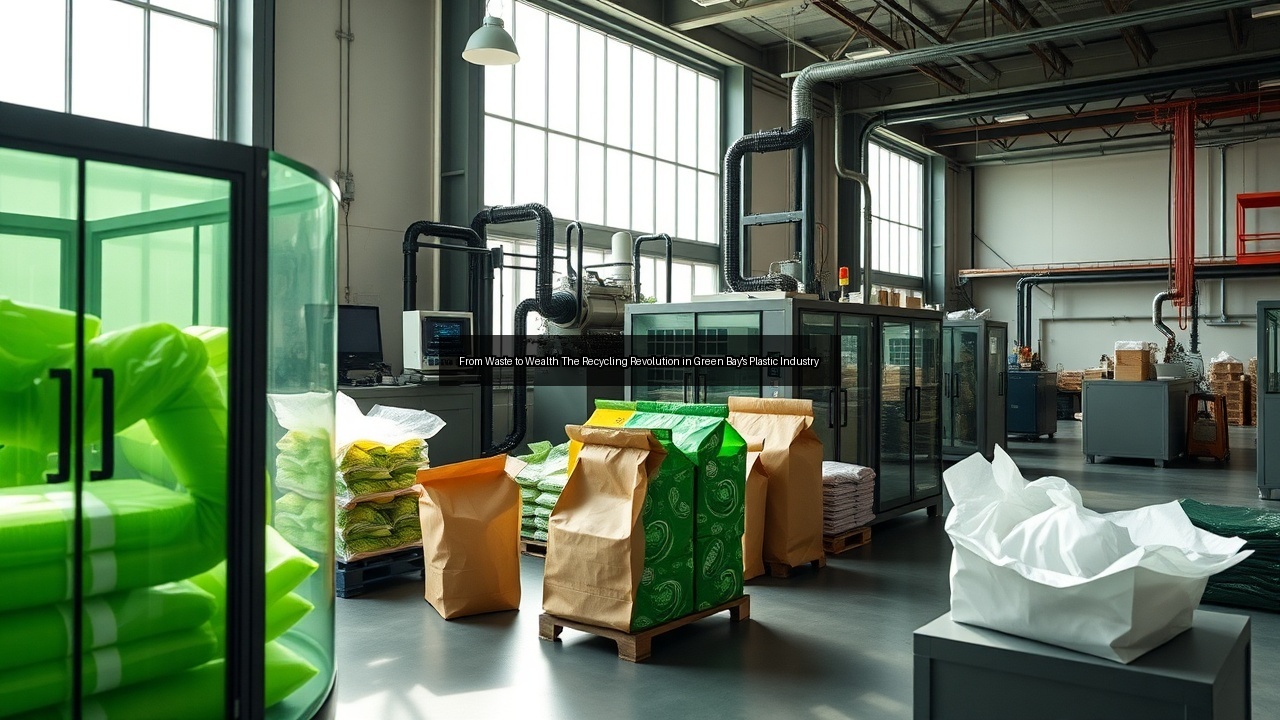
Recycling operations at green bay plastic companies begin with collection of post-consumer and post-industrial waste streams. Sorting equipment separates polyethylene from mixed plastics before grinding and washing stages remove contaminants. Extruders then melt the cleaned flakes and form pellets ready for new manufacturing runs. Green Bay manufacturers monitor energy consumption during these steps to maintain cost controls. Reclaimed material integrates into product packaging lines that produce films and containers with verified recycled content percentages. Quality testing confirms that recycled polyethylene performs comparably to virgin resin in strength and clarity. These processes transform waste into valuable feedstock that supports ongoing production cycles.
Innovations in Sustainable Packaging Solutions
AI and Its Role in Sustainable Manufacturing
AI systems optimize production schedules at green bay plastic companies by predicting demand patterns and minimizing excess inventory. Algorithms analyze sensor data from extrusion lines to adjust temperatures and speeds that reduce scrap rates. Green Bay manufacturers deploy machine vision to detect defects in real time and divert imperfect polyethylene sheets before they reach packaging stages. These tools also forecast maintenance needs that prevent unplanned downtime. Integration of AI supports sustainable packaging solutions by maximizing yield from both virgin and recycled material inputs. Teams review performance dashboards daily to refine settings that lower energy use per unit produced. The approach yields measurable gains in efficiency across green bay plastics facilities.
Case Studies: Successful Sustainable Packaging Initiatives
One green bay plastic manufacturer replaced virgin polyethylene with 30 percent recycled content in produce bags after piloting collection programs with local grocers. The switch maintained tensile strength while cutting raw material expenses. Another company developed multilayer films that incorporate recycled material in core layers and virgin resin on surfaces for food contact compliance. Green Bay plastic companies documented reduced waste volumes after implementing these designs across product packaging lines. Results included lower disposal fees and positive feedback from brand owners seeking sustainable packaging solutions. Follow-up audits verified consistent quality metrics that matched conventional production. These initiatives demonstrate scalable models for other manufacturers in the region.
Challenges and Risks in Transitioning to Sustainable Practices
Green Bay plastic companies face supply inconsistencies when sourcing high-quality recycled polyethylene that meets strict purity requirements. Price volatility in recycled material markets creates budgeting uncertainty for manufacturers planning long-term contracts. Equipment retrofits needed for higher recycled content levels require capital outlays that smaller green bay plastics makers may delay. Contamination risks during collection can compromise entire batches and increase rejection rates. Regulatory changes around labeling and content thresholds add compliance layers that demand ongoing staff training. Companies mitigate these risks through diversified supplier networks and pilot testing before full-scale adoption of sustainable packaging solutions.
The Future of Green Bay's Plastic Revolution
Trends in Green Bay's Plastic Market
Demand grows for green bay plastic products that incorporate higher percentages of recycled material as retailers set ambitious sustainability targets. Green Bay plastic companies respond by expanding capacity for post-consumer polyethylene processing. Market reports highlight rising interest in lightweight films that reduce shipping weight and associated energy costs. Local manufacturers explore bio-based additives that enhance recyclability without altering processing parameters. Green Bay plastics makers also invest in automation that supports smaller production runs tailored to niche sustainable packaging solutions. These trends position the sector for continued expansion amid shifting buyer preferences.
The Role of Consumer Awareness in Recycling
Consumer awareness campaigns encourage proper sorting of polyethylene items that reach green bay plastic companies as clean feedstock. Educational efforts by local governments increase participation rates in curbside programs that supply recycled material. Green Bay residents respond to clear labeling on product packaging that identifies recyclable resins. Higher awareness translates into steadier volumes of quality scrap that manufacturers reprocess into new goods. Companies track participation metrics to adjust collection partnerships and maintain reliable input streams. This feedback loop strengthens the overall recycling infrastructure serving green bay plastics production.
Potential for Growth in Recycled Material Usage
Green Bay plastic companies project increased use of recycled polyethylene as processing technologies improve yield and consistency. Expanded partnerships with waste haulers promise larger volumes of sorted material for local reprocessing. Manufacturers anticipate new product lines that feature 50 percent or higher recycled content while preserving performance characteristics. Growth potential extends to export markets seeking sustainable packaging solutions made from regional recycled material. Investments in advanced sorting equipment will further reduce contamination and support higher throughput. These developments position green bay plastic manufacturers to capture additional market share in the evolving plastics landscape.