Screw Machining vs Swiss Machining Which is Right for Your Project
Understanding the Basics of Screw Machining and Swiss Machining
Overview of Screw Machining
Screw machining is a manufacturing process that primarily focuses on producing high-precision components using specialized machines known as screw machines. These machines have been a staple in the industry for decades, renowned for their efficiency in creating cylindrical parts with complex geometries. Screw machining excels in producing high volumes of parts, which makes it an ideal choice for industries where quantity and consistency matter. Often, these machines utilize a combination of automatic feeding systems and multi-spindle setups to enhance productivity. They can work with various materials, including metals precision machining like nickel, aluminum, and brass, allowing for versatility in production while ensuring tight tolerances.
Introduction to Swiss Machining
Swiss machining, also referred to as Swiss-style machining, employs a unique lathe design that enables the production of small, highly precise parts. Originating in Switzerland, this method uses a sliding headstock that moves the workpiece towards the tooling, which provides exceptional accuracy and efficiency. Swiss machining is particularly effective for creating intricate geometries and fine details, making it a preferred choice for industries requiring precision parts, such as aerospace and medical device manufacturing. The machines often integrate CNC technology, allowing for programmable and automated operations that further enhance production capabilities.
Key Differences Between Screw and Swiss Machining
While both screw and Swiss machining serve similar industries, key differences define their applications. Screw machining typically operates on larger parts and higher volumes, making it suitable for mass production. In contrast, Swiss machining focuses on smaller, more intricate components with tighter tolerances, ideal for low to medium production volumes. Another distinction lies in the tooling approach; screw machines usually employ fixed tooling, while Swiss machines utilize a dynamic setup that allows for more flexibility in part design. Understanding these differences is crucial for selecting the right method for specific project needs.
Evaluating Your Project Needs
Assessing Material Requirements
Choosing the correct machining process begins with a thorough assessment of material requirements. Different materials, such as nickel, aluminum, or stainless steel, can influence the decision between screw and Swiss machining. Screw machines handle a broader range of materials but may struggle with very hard or brittle substances. Swiss machining, however, excels at handling smaller, more intricate parts, even in harder materials. Consider the material's machinability, mechanical properties, and the final application when deciding which machining method will yield the best results for your project.
Determining Volume and Production Rate
Production volume plays a significant role in the choice between screw and Swiss machining. If a project demands high volumes of parts with less complexity, screw machining stands out as the more efficient option. It can achieve rapid production rates, making it suitable for mass manufacturing. Conversely, if the project requires low to medium volumes with intricate designs, Swiss machining offers superior precision and flexibility. Evaluate the expected production rate and part complexity to align your project needs with the capabilities of each machining method.
Identifying Desired Geometries and Tolerances
The geometries and tolerances required for your project significantly impact the machining process selection. Screw machining typically suits cylindrical parts with standard geometries, making it efficient for straightforward designs. However, if your project requires intricate features, tight tolerances, and complex geometries, Swiss machining proves to be more advantageous. Swiss-style lathes provide unparalleled accuracy, allowing for complicated shapes and fine details that standard screw machines may not achieve. Analyze the specific requirements of your parts to determine which machining method aligns best with your design specifications.
Machining Technology and Equipment
Overview of Screw Machines and Their Applications
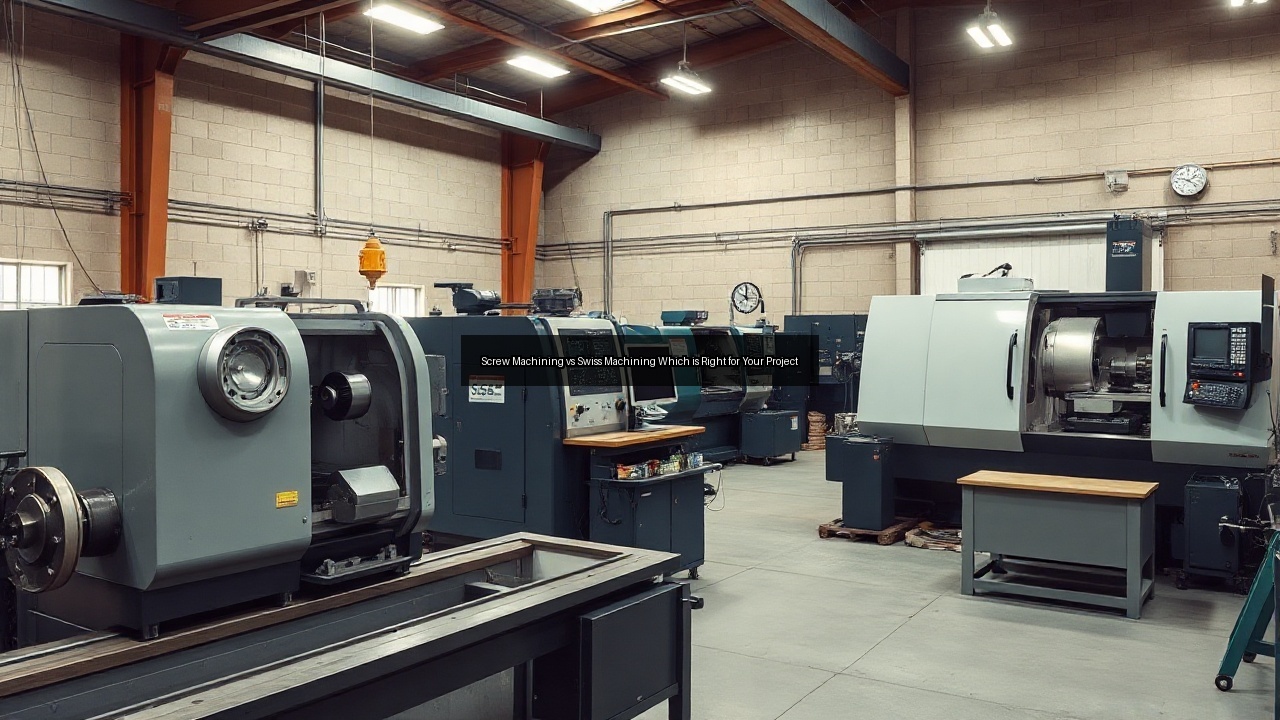
Screw machines come in various configurations, including single-spindle and multi-spindle designs, each tailored for specific applications. Single-spindle machines offer flexibility for diverse part designs, while multi-spindle machines maximize production efficiency for high-volume runs. These machines typically feature advanced tooling systems that automate the feeding and machining processes, significantly enhancing productivity. Applications range from automotive components to industrial fittings, showcasing the diverse capabilities of screw machining. Their reliability and speed make them a popular choice in machine shops where production demands are high and efficiency is critical.
Exploring Swiss Style Lathes and CNC Swiss Machining
Swiss style lathes have evolved significantly with the integration of CNC technology, leading to what is known as CNC Swiss machining. This advancement allows for programmable operations, enhancing precision and reducing cycle times. CNC Swiss machines utilize multiple axes, enabling simultaneous machining operations that create complex parts in a single setup. This capability minimizes handling and increases accuracy, making it ideal for precision parts in industries such as aerospace and medical. Understanding the specific functions and advantages of Swiss lathes is essential for selecting the right equipment for your machining needs.
The Role of Automation and Software in Productivity
Automation and advanced software play pivotal roles in enhancing productivity in both screw and Swiss machining processes. Automated systems streamline operations, reduce manual intervention, and ensure consistent quality across production runs. For screw machines, automation can include features like automatic bar feeders and tool changers, which boost efficiency. In Swiss machining, software controls CNC operations, optimizing machining paths and reducing cycle times. Investing in the latest automation technologies and software solutions can significantly impact production efficiency, ultimately leading to cost savings and improved output.
Industry Applications and Considerations
Screw Machining in Aerospace and Other Industries
Screw machining finds widespread applications across various industries, including aerospace, automotive, and medical. In aerospace, precision is paramount, and screw machines deliver the required accuracy for components like brackets, fittings, and precision machining fasteners. The ability to produce large quantities of reliable parts makes screw machining indispensable in sectors where performance and safety are critical. Additionally, the versatility of screw machines allows them to adapt to different materials and designs, making them suitable for a wide range of applications beyond aerospace, including consumer goods and industrial equipment.
Benefits of Swiss Machining for Precision Parts
Swiss machining offers numerous benefits, particularly for projects requiring high precision and intricate designs. The unique machining process allows for tighter tolerances, making it ideal for components in the medical and aerospace fields, where even the slightest deviation can lead to failures. Swiss machines also excel in producing parts with complex geometries that are challenging for traditional machining methods. The efficiency of Swiss machining reduces waste and improves material utilization, contributing to sustainability efforts in manufacturing. Companies seeking precision and quality often turn to Swiss machining as their solution.
Cost Analysis: Screw vs. Swiss Machining
Conducting a cost analysis between screw and Swiss machining reveals essential insights for project decision-making. Screw machining generally offers lower unit costs for high-volume production due to its efficiency and speed. However, this method may incur higher setup costs for smaller production runs. On the other hand, Swiss machining, while typically more expensive per part, provides significant savings in setup time and material waste for complex components. Evaluate your project’s budget alongside production volume and complexity to determine which machining method offers the most cost-effective solution for your needs.
See Also
- High-Performance Swiss Machining Why It Matters in Today’s Market
- Precision Machining Revolution The Rise of Swiss Lathes
- Innovative Approaches to Swiss Machining for Complex Components
- Streamlining Processes with Advanced Swiss Machining Software
- How Swiss Machining is Changing the Game for Machine Shops